
Europe’s cultural and historical landscape didn’t appear overnight it was sculpted over millennia by some of the world’s most brilliant and enduring civilizations. From the philosophical richness of Ancient Greece to the legal legacy of Rome, and the mystique of the Minoans and Celts, these societies laid the cornerstone for Europe’s evolution.
The Minoans and Mycenaeans: Greece’s Earliest Chapters
Minoans (c. 3000–1400 BCE): Based on the island of Crete, the Minoans were known for their grand palaces like Knossos, vibrant frescoes, and advanced maritime trade.
Mycenaeans (c. 1600–1100 BCE): These mainland Greeks influenced the later classical world with their militarism, linear B script, and legendary tales like those found in Homer’s epics.
Together, they seeded the ground for what would become Classical Greece—a civilization that revolutionized politics, literature, and education.
Ancient Greece: Birthplace of Western Ideals
Democracy, philosophy, and the concept of citizenship trace back to Greek city-states like Athens and Sparta.
Thinkers like Plato, Aristotle, and Socrates explored ethics, metaphysics, and logic, laying intellectual tracks still followed today.
The Olympic Games, drama, and architectural elegance also stem from this era—timeless contributions to European identity.
Ancient Rome: Law, Engineering & Empire
Rome took Greece’s ideas and scaled them across Europe through military conquest and infrastructure.
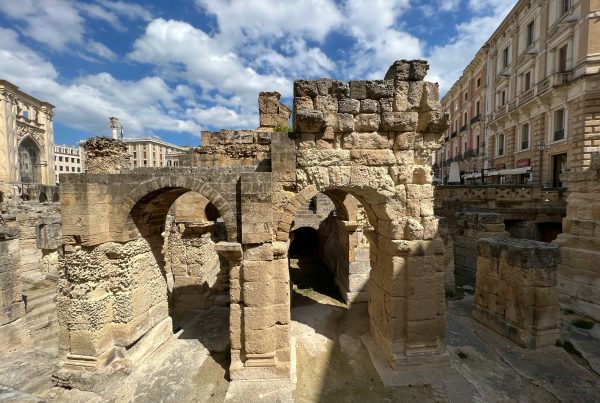
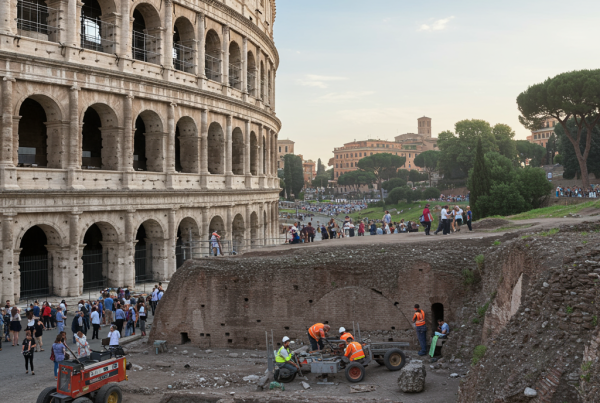
The Roman Republic and later Empire (509 BCE–476 CE) introduced complex law systems, engineering feats like aqueducts, and the Latin language
still echoing in today’s Romance languages.
Christianity also emerged during Rome’s height, eventually becoming central to Europe’s spiritual and political domains.
Celts and Germanic Tribes: Europe’s Untamed Heartlands
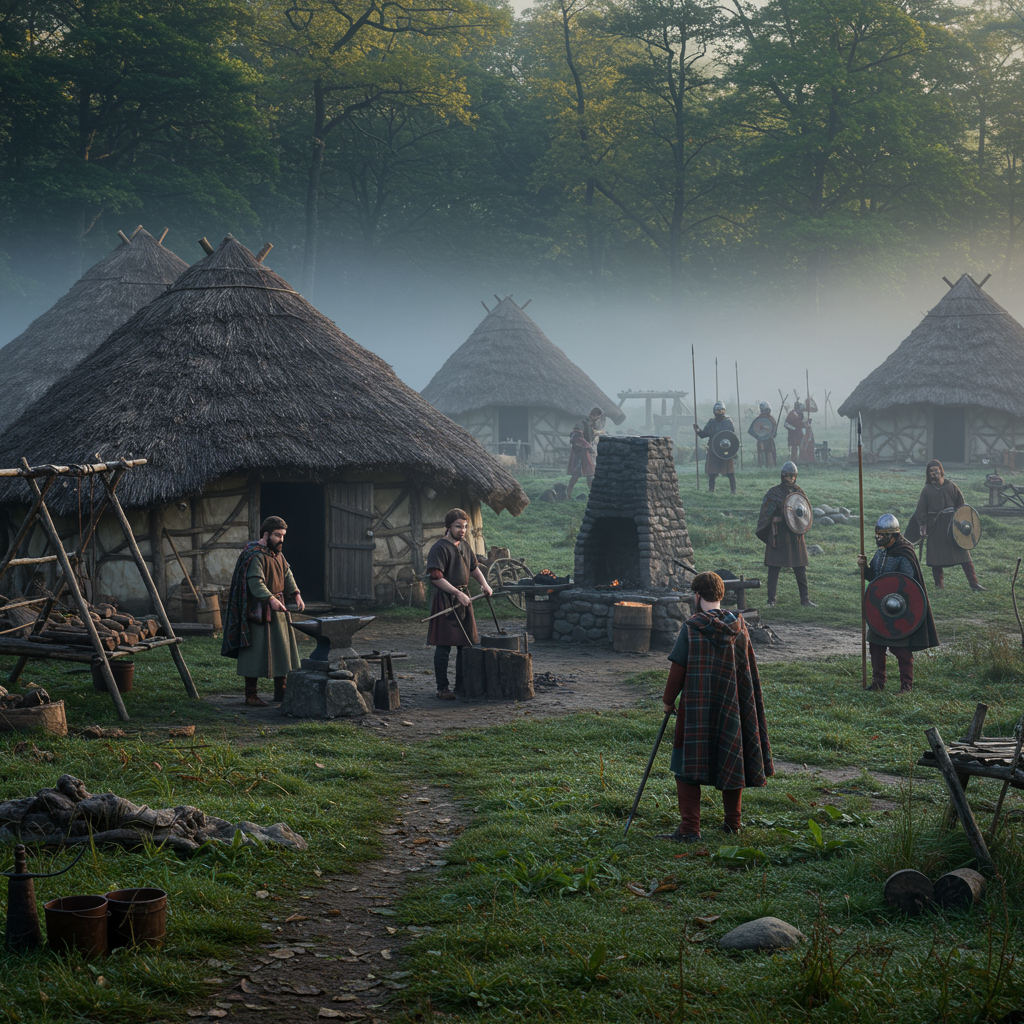
The Celts, spread across western and central Europe, developed unique art, mythology, and tribal systems.
Germanic tribes like the Goths, Vandals, and Franks shaped post-Roman Europe, laying groundwork for medieval kingdoms.
Though less centralized than Rome or Greece, these cultures played vital roles in shaping regional traditions and resistance to empire.
Legacy in Modern Europe
Modern democratic institutions, legal frameworks, and architectural styles owe much to these ancient civilizations.
The Renaissance, Enlightenment, and even today’s European Union reflect ideals rooted deep in antiquity.
By studying these civilizations, we gain a deeper appreciation of Europe’s shared cultural heritage and the enduring power of human ingenuity.