
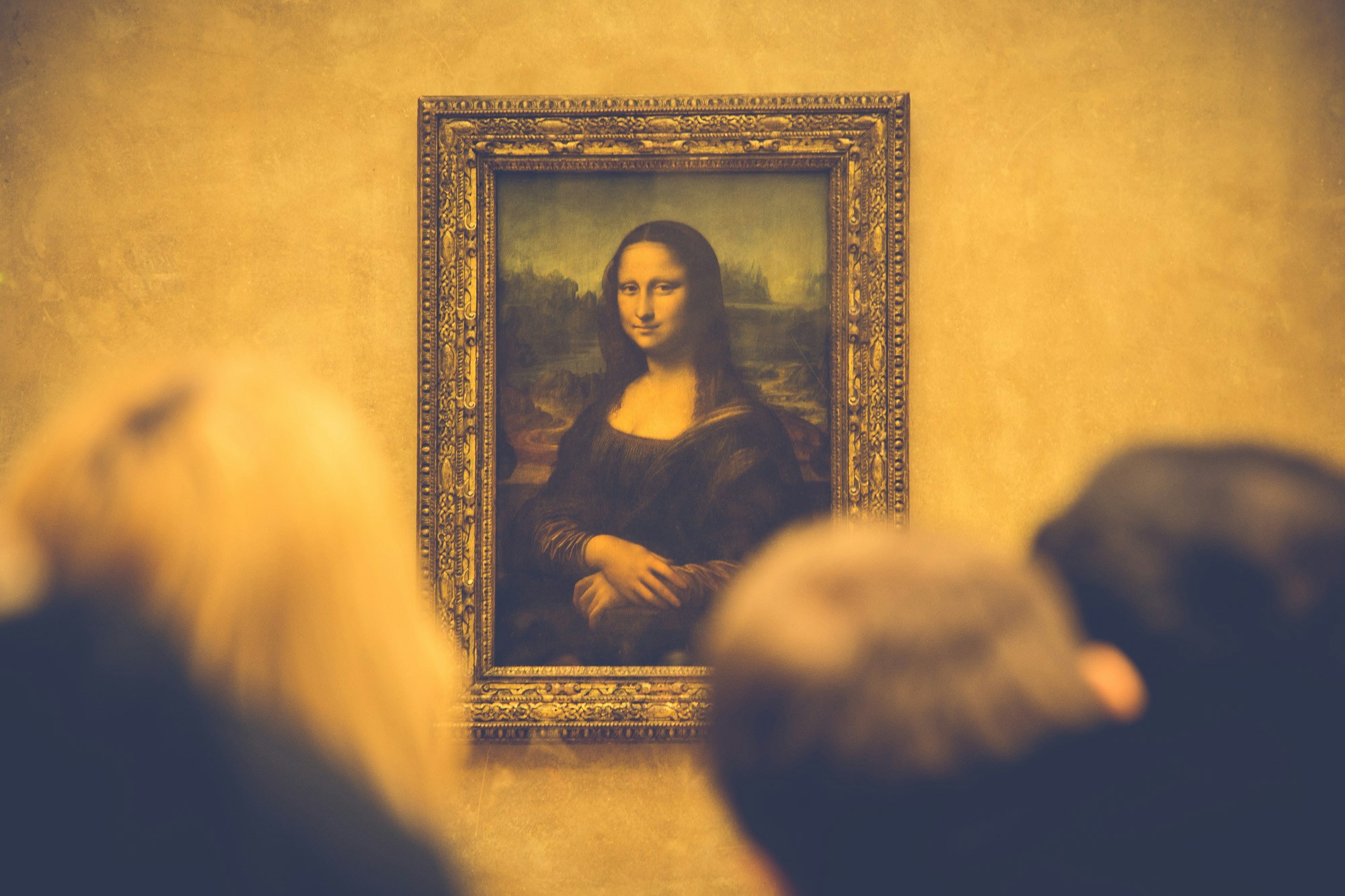
Photo: Gioconda by Leonardo da Vinci between 1503 and 1517. Photo Credits: Eric Terrade
The Italian Renaissance was a cultural revolution that reshaped Europe between the 14th and 17th centuries. Originating in cities like Florence, Venice, and Rome, it marked a transition from medieval rigidity to a vibrant exploration of human potential, classical learning, and artistic innovation. Driven by economic prosperity, intellectual curiosity, and political patronage, the Renaissance became the foundation of the modern Western world.
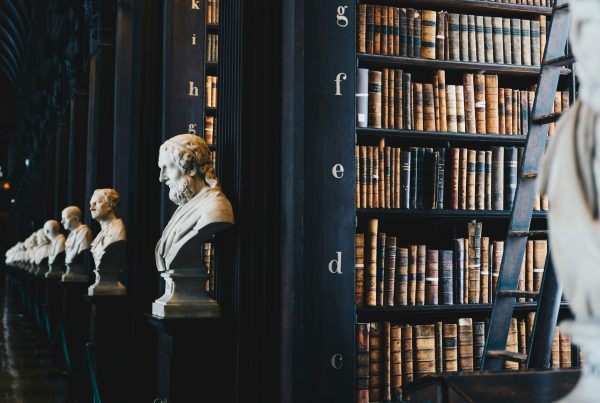
Origins and Ideals The term “Renaissance” means “rebirth,” referring to the revival of classical Greek and Roman thought. Humanism—a central philosophy of the movement, emphasized education, individual dignity, and secular inquiry. Thinkers like Petrarch and Erasmus advocated for the study of ancient texts not only for knowledge but for moral and civic improvement.
Artistic Achievements Italian Renaissance art revolutionized visual expression. Artists pursued realism, perspective, and anatomical accuracy, breaking from symbolic medieval styles. Giotto laid early foundations, but it was figures like Leonardo da Vinci, Michelangelo, and Raphael who defined the era. Da Vinci’s Last Supper and Mona Lisa merged technique with psychological depth; Michelangelo’s David and Sistine Chapel ceiling demonstrated power and beauty; Raphael’s School of Athens visualized the harmony between ancient wisdom and contemporary thought.
Scientific Inquiry and Innovation The Renaissance wasn’t just about art, it was a revival of science and observation. Leonardo da Vinci’s notebooks contain studies on anatomy, engineering, and physics. Galileo Galilei challenged geocentric models with telescopic discoveries, laying the groundwork for modern astronomy. A spirit of empirical inquiry replaced blind adherence to tradition.
Political and Cultural Patrons This flourishing culture depended on patrons, wealthy families, religious leaders, and city-states. The Medici of Florence funded artists, architects, and scholars, fostering a golden age of creativity. The Catholic Church commissioned monumental works to inspire awe and reinforce its authority, culminating in the grandeur of Renaissance Rome.
Architecture and Urban Transformation Architects like Brunelleschi redefined space with linear perspective and classical elements. His dome for the Florence Cathedral symbolized technical mastery and civic pride. Urban planning embraced symmetry and proportion, reflecting Renaissance ideals in public spaces.
Legacy and Influence The Italian Renaissance set in motion cultural, intellectual, and scientific currents that extended across Europe and into the Enlightenment. Its embrace of reason, beauty, and human experience transformed education, governance, and philosophy. Even today, its masterpieces and ideals continue to inspire.