
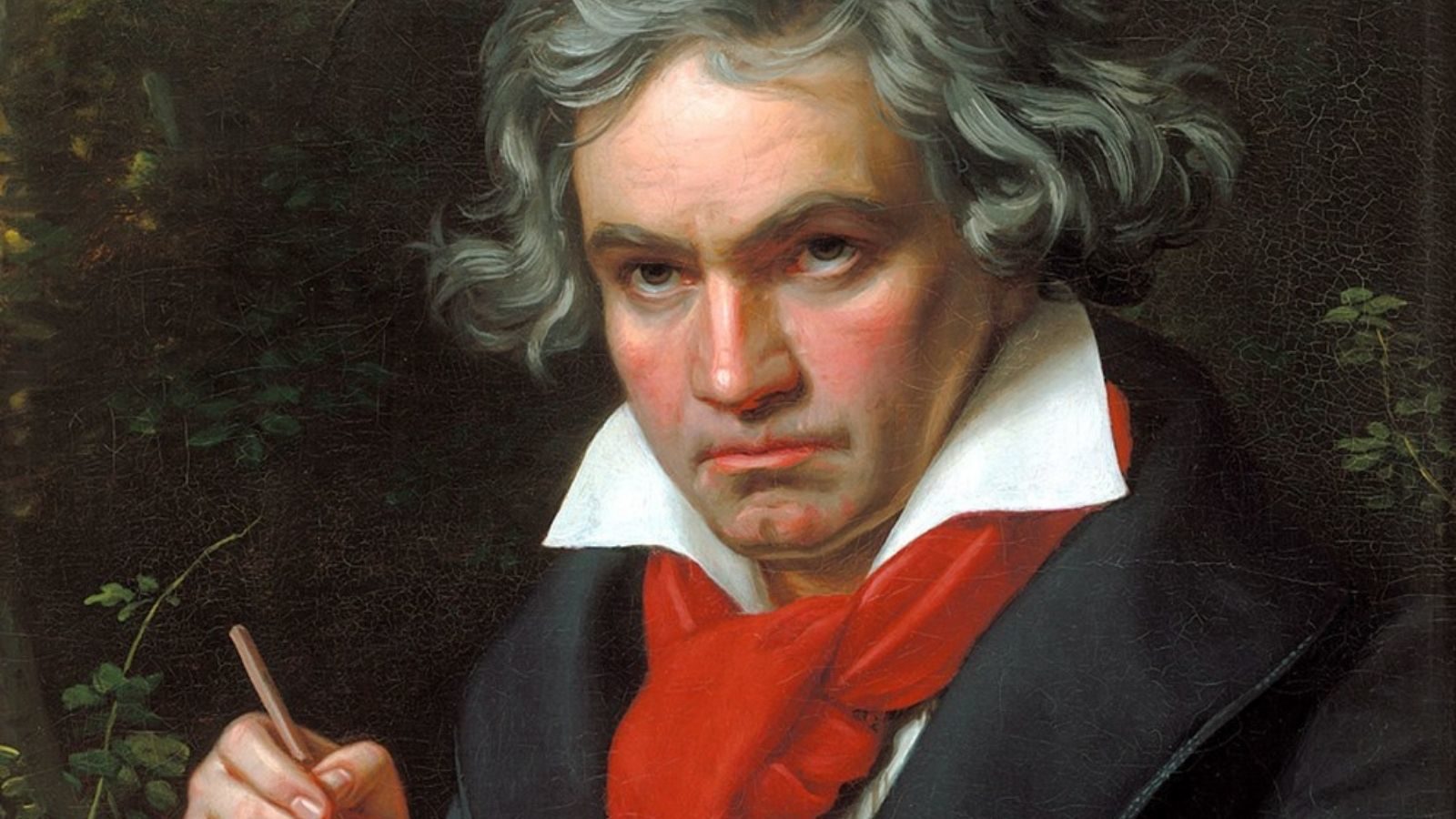
Photo: Ludwig van Beethoven
European art has long mirrored the continent’s political, philosophical, and emotional transformations. Among its most defining movements is Romanticism, which arose in the late 18th and early 19th centuries as a response to industrialization, Enlightenment rationalism, and political upheaval. But it was just one link in a dynamic chain of artistic movements that shaped European cultural identity.
Romanticism: Emotion Over Reason Romanticism placed emotion, imagination, and nature at the center of artistic expression. Reacting against the Enlightenment’s emphasis on logic and reason, Romantic artists sought to evoke the sublime and explore inner truths.
- Painters like Caspar David Friedrich depicted vast landscapes that dwarfed the human figure, underscoring feelings of awe, isolation, and spiritual depth.
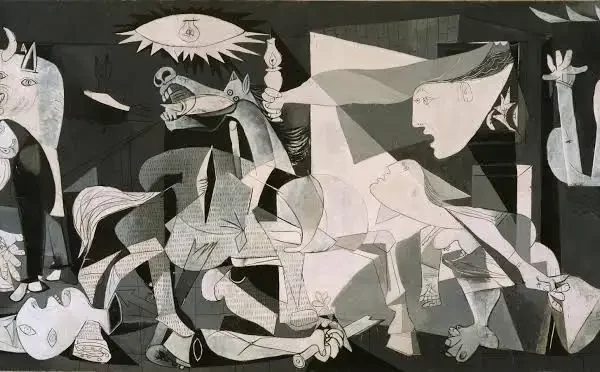
- Francisco Goya’s emotionally charged works conveyed the horrors of war and the darker sides of human nature.
- In literature and music, Romanticism manifested in the poetry of Byron and Shelley, and the sweeping compositions of Beethoven and Chopin.
The movement resonated with a sense of national identity and individual freedom, often idealizing medievalism and folklore as forms of cultural memory.
Post-Romantic Movements: Evolution and Reaction As Romanticism waned, European art evolved through a series of movements that both built on and challenged its principles:
- Realism (mid-19th century): Artists like Gustave Courbet rejected idealism, portraying ordinary people and social realities without embellishment.
- Impressionism (late 19th century): Painters such as Monet and Degas focused on capturing fleeting moments, light, and atmosphere, shifting away from emotional depth toward visual sensation.
- Symbolism and Art Nouveau (turn of the 20th century): These movements reintroduced mysticism, fantasy, and decorative elegance, often drawing from myths and dream states.
- Modernism and Expressionism (early 20th century): Artists like Edvard Munch and Wassily Kandinsky sought abstract representations of emotion, inner conflict, and existential themes, echoes of Romantic introspection in a rapidly changing world.
Whether depicting stormy coastlines or everyday laborers, artists responded to their times with conviction and creativity. Their legacy endures in contemporary European art, which continues to grapple with identity, memory, and meaning through ever-evolving forms.