
Photo: Annie Spratt
Folk music and dance are among Europe’s most enduring cultural treasures. Every country, from the icy Arctic north to the sun-drenched Mediterranean south, and from the rugged Atlantic west to the wide Eurasian east, has cultivated its own unique sounds, steps, and rituals. These traditions reflect centuries of history, community practices, and ethnic diversity. Below is a region-by-region journey through all European countries and their folk heritage.
Northern Europe
| Country | Folk Music & Dance Highlights |
|---|---|
| Denmark | Chain dances such as Reinlender; fiddle-based village tunes; maritime ballads and seasonal songs. |
| England | Morris dancing with bells and sticks; folk ballads; sea shanties and seasonal festivities. |
| Finland | Runo-songs and Pelimanni tunes; Jenkka and Letkajenkka dances; kantele string instrument. |
| Iceland | Rímur storytelling chants; circle dances like Vikivaki; ancient vocal traditions inspired by saga literature. |
| Norway | Halling and springar dances; Hardanger fiddle music; pastoral songs rooted in Norse folklore. |
| Northern Ireland | Ulster-Scots fiddle music; lambeg drum rhythms; step dancing and ballads expressing regional identity. |
| Scotland | Highland fling, sword dances; bagpipe music; ceilidh traditions with jigs, reels, and strathspeys. |
| Sweden | Polska and Slängpolska dances; Kulning vocal calls; nyckelharpa instrumentation and midsummer songs. |
| Wales | Welsh-language folk songs; harp traditions; Eisteddfod cultural festivals celebrating dance and storytelling. |
Southern Europe
| Country | Folk Music & Dance Highlights |
|---|---|
| Andorra | Pyrenean dances with Catalan influence; seasonal folk songs and rural rituals. |
| Italy | Tarantella and Pizzica dances; accordion-driven folk songs in regional dialects. |
| Malta | Għana vocal duels; traditional dances influenced by Sicilian and North African cultures. |
| Portugal | Fado music tradition; Corridinho and Vira dances in village festivals. |
| San Marino | Folk forms linked to Emilia-Romagna; music and dance in religious and seasonal festivals. |
| Spain | Flamenco in Andalusia; Jota and Sardana regional dances with guitar and castanets. |
| Vatican City | Gregorian chant and sacred choral music in liturgical settings. |
Eastern Europe (Including Balkans)
| Country | Folk Music & Dance Highlights |
|---|---|
| Albania | Valle dances and iso-polyphonic singing; epic ballads and mountain rituals. |
| Bosnia and Herzegovina | Sevdalinka love songs; Kolo circle dances; tamburica string traditions. |
| Bulgaria | Horo dances with complex rhythms; gaida bagpipe music; ritual choral singing. |
| Croatia | Linđo and Kolo dances; Klapa vocal harmony; coastal and Slavic folk fusion. |
| Czechia | Beseda and Polka dances; folk ensembles with clarinet and violin. |
| Hungary | Csárdás and verbunkos dances; cimbalom and fiddle music; village-style traditions. |
| Moldova | Hora and Sârba dances; flute and violin music; pastoral and festive songs. |
| Montenegro | Oro circle dances with dramatic lifts; Gusle instrument used in oral epics. |
| North Macedonia | Oro dances with asymmetrical rhythms; tambura, zurla, and tapan instruments. |
| Poland | Mazurka, Oberek, and Krakowiak dances; accordion and fiddle-led folk music. |
| Romania | Călușari ritual dance; Doina lyrical songs; cimbalom and shepherd flute melodies. |
| Russia | Khorovod circle dances; Kalinka and folk ballads; balalaika and accordion traditions. |
| Serbia | Kolo dances in celebrations; Guča brass music festival; folk costumes and chants. |
| Slovakia | Čardáš and Odzemok dances; flute and violin music; shepherd-inspired traditions. |
| Slovenia | Polka and Kolo dances; Alpine harmonies; accordion and folk festival songs. |
| Ukraine | Hopak and Arkan dances; bandura string music; polyphonic village singing. |
Western Europe (Central-Western Countries Only)
| Country | Folk Music & Dance Highlights |
|---|---|
| Austria | Volkstanz and Landler dances; alpine harmonies with accordion and zither; yodeling in folk festivals. |
| Belgium | Walloon and Flemish dances; hurdy-gurdy and fiddle music; carnival traditions with regional costumes. |
| France | Bourrée and Gavotte dances; Breton Fest-Noz gatherings; folk instruments like bagpipes and hurdy-gurdy. |
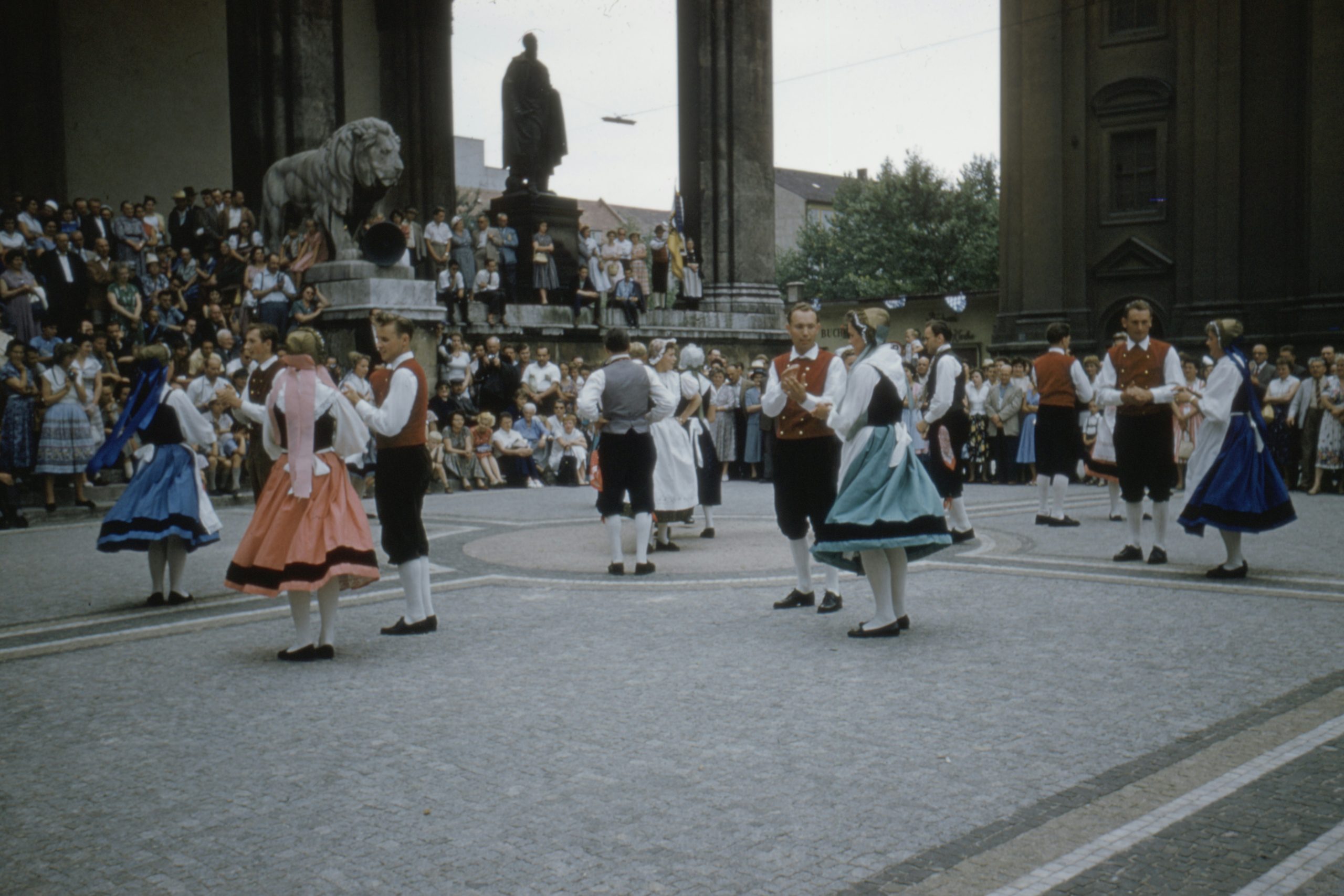
| Germany | Schuhplattler and Ländler dances; brass bands and alpine yodeling; folk festivals with traditional attire. |
| Liechtenstein | Alpine dance traditions shared with Austria and Switzerland; accordion music at mountain festivals. |
| Luxembourg | Hämmelsmarsch procession tunes; folk dances for national celebrations; blend of Germanic and French heritage. |
| Monaco | Farandole dances with Ligurian roots; Mediterranean folk songs and Provençal instruments. |
| Netherlands | Klompendans (wooden shoe dance); accordion and maritime folk songs; harvest celebrations. |
| Switzerland | Sennenmarsch and Landler dances; alphorn playing and multilingual yodeling traditions. |
From the spirited steps of the Balkan Kolo to the hypnotic rhythms of the Finnish Jenkka, Europe’s folk music and dance represent a living cultural heritage that continues to shape national identity and community celebration. Though styles vary widely, each country brings its own flavor to the collective mosaic, preserving the sounds and stories of generations past.