
Photo / Romain Malaunay
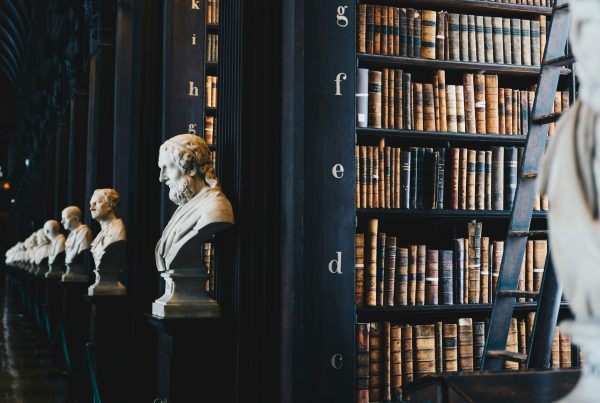
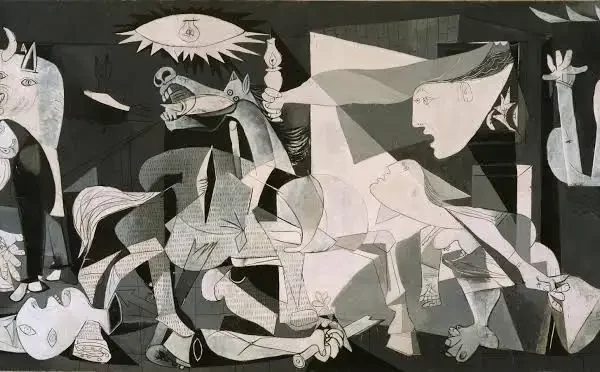
European literature has long served as a lens through which humanity examines itself. From the poetic grandeur of Shakespeare to the haunting introspection of Kafka, writers across centuries have explored the timeless themes of identity, morality, and society, offering readers not just stories, but profound reflections on the human condition.
Shakespeare: The Architect of Human Complexity
William Shakespeare’s plays are a masterclass in psychological depth and moral ambiguity. In Hamlet, the titular character wrestles with existential doubt and the burden of revenge, famously asking, “To be, or not to be.” This soliloquy encapsulates the struggle for identity and moral clarity in a chaotic world.
In Othello, jealousy and manipulation unravel the protagonist’s sense of self, while King Lear dissects familial bonds and the fragility of power. Shakespeare’s characters are never one-dimensional, they are torn between duty and desire, honor and ambition, love and betrayal. His works remain relevant because they reflect the dilemmas we still face today.
Kafka: The Voice of Alienation and Absurdity
Fast-forward to the early 20th century, and Franz Kafka’s literature offers a stark contrast. Where Shakespeare dramatized the grandeur of kings and lovers, Kafka turned inward, portraying the alienation of the individual in a bureaucratic and indifferent world.
In The Metamorphosis, Gregor Samsa’s transformation into an insect is a metaphor for the loss of identity and societal rejection. Kafka’s characters often face moral paralysis, trapped in systems they cannot understand or escape. His work resonates with modern readers because it captures the anxiety of living in a world that feels increasingly impersonal and absurd.
Universal Themes Across Time
Despite their stylistic differences, both Shakespeare and Kafka probe the same essential questions:
- Who am I? Identity is central to both authors. Shakespeare’s characters often disguise themselves or question their roles, while Kafka’s protagonists struggle with self-worth and recognition.
- What is right? Morality in European literature is rarely black and white. Shakespeare’s tragic heroes make ethically complex choices, and Kafka’s narratives highlight the futility of seeking justice in a flawed system.
- How do we belong? Society, with its rules and expectations, is both a source of connection and conflict. Shakespeare explores social hierarchies and political power, while Kafka exposes the alienation that can result from societal pressures.
A Legacy That Endures
European literature continues to shape our understanding of ourselves and the world. Whether through Shakespeare’s eloquent verse or Kafka’s unsettling prose, these works challenge us to reflect, question, and empathize. They remind us that literature is not just entertainment, it’s a dialogue across time, a mirror held up to our deepest truths.