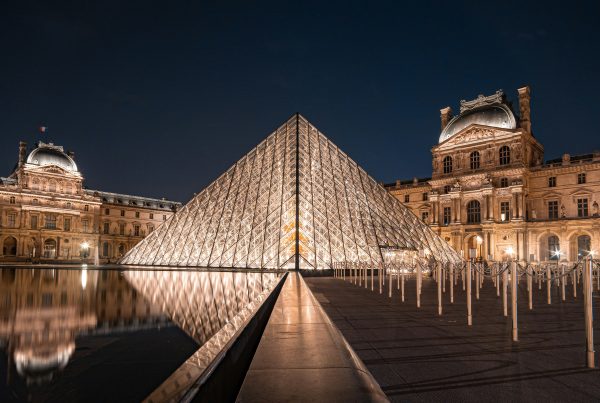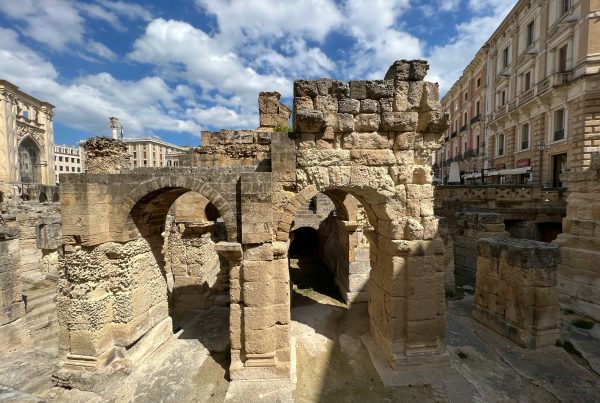

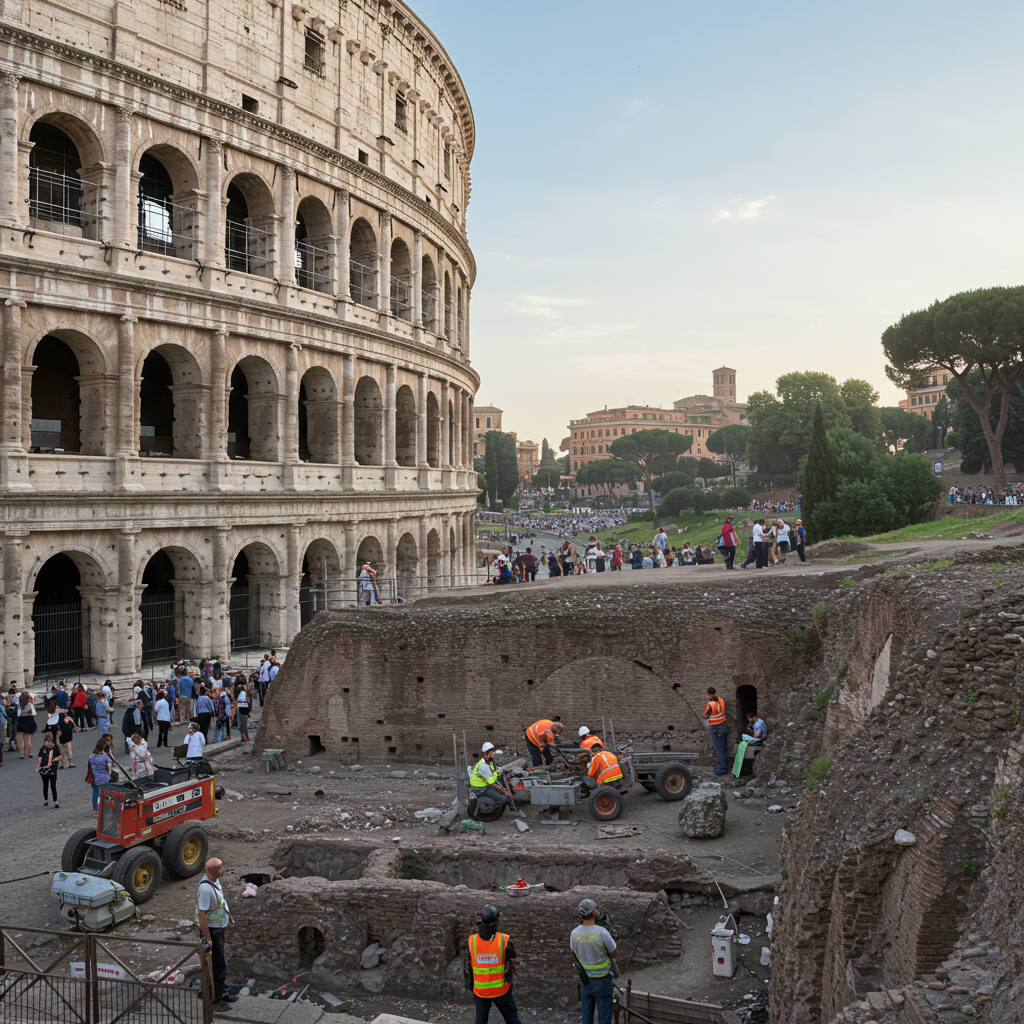
Europe’s cultural heritage is a mosaic of ancient ruins, medieval cathedrals, Renaissance art, and living traditions that span thousands of years. From the Parthenon in Athens to the canals of Venice, these treasures are more than relics—they are the soul of Europe’s identity. Today, preserving this legacy is both a challenge and a mission, as climate change, urbanization, and globalization threaten its survival.
Why Cultural Heritage Matters
Cultural heritage isn’t just about monuments and museums, it’s about shared memory, identity, and community.
- Tangible heritage: Buildings, artworks, manuscripts, and archaeological sites.
- Intangible heritage: Languages, music, folklore, rituals, and craftsmanship.
- Social value: Heritage fosters unity, pride, and intercultural understanding.
- Economic impact: Cultural tourism contributes over 4% to the EU’s GDP and supports millions of jobs.
Preserving heritage means safeguarding the stories and values that connect generations.
Challenges to Preservation
Europe’s cultural assets face growing threats:
- Climate Change: Rising seas, floods, and wildfires endanger coastal cities and historic landscapes.
- Urban Development: Expansion and modernization can damage or erase historic sites.
- Mass Tourism: Overcrowding and wear-and-tear strain fragile monuments.
- Neglect and Funding Gaps: Many sites lack resources for proper maintenance.
Intangible heritage is also at risk, as traditional practices fade with modernization and generational shifts.
Innovative Solutions
Preservation today blends tradition with technology:
- Digital Heritage: 3D scanning, virtual reality, and online archives make heritage accessible and resilient.
- Community Engagement: Local volunteers and NGOs play a vital role in restoration and education.
- EU Frameworks: The European Commission promotes inclusive, sustainable, and resilient heritage policies.
- 7 Most Endangered Programme: A joint initiative by Europa Nostra and the EIB Institute that identifies and supports at-risk sites across Europe.
These efforts show that saving heritage is not just about conservation, it’s about innovation and collaboration.
Education and Cultural Identity
Preserving heritage starts with awareness:
- Schools and Universities: Teach history and cultural appreciation.
- Museums and Exhibitions: Connect people to their past through immersive experiences.
- Local Initiatives: Summer camps, workshops, and festivals revive traditions and crafts.
Education empowers communities to become stewards of their own heritage.
Looking Ahead
Europe’s cultural heritage is irreplaceable. Once lost, it cannot be recreated. But with determination, technology, and community spirit, it can be protected and celebrated.
- Sustainable tourism
- Climate-resilient restoration
- Inclusive cultural policies
- Youth engagement
These are the pillars of a future where Europe’s past continues to inspire.