
Photo / Freysteinn G. Jonsson
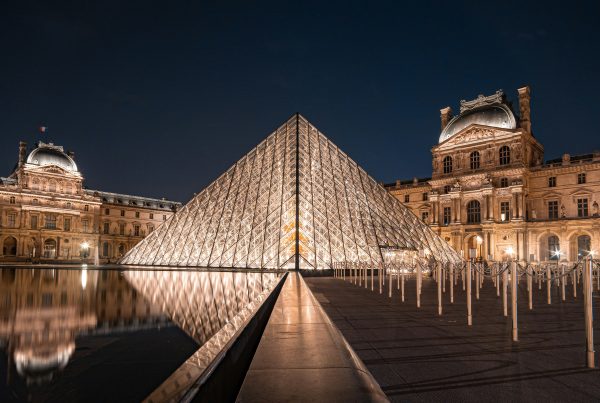
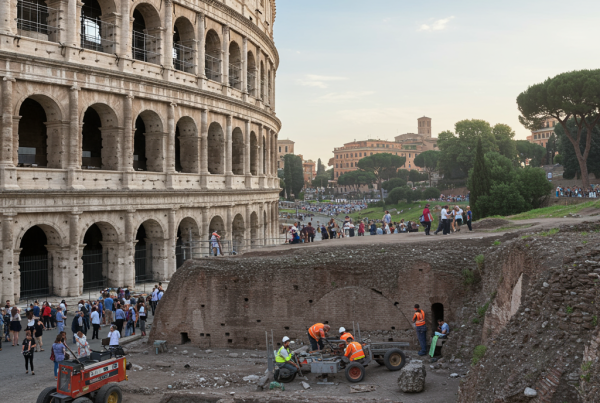
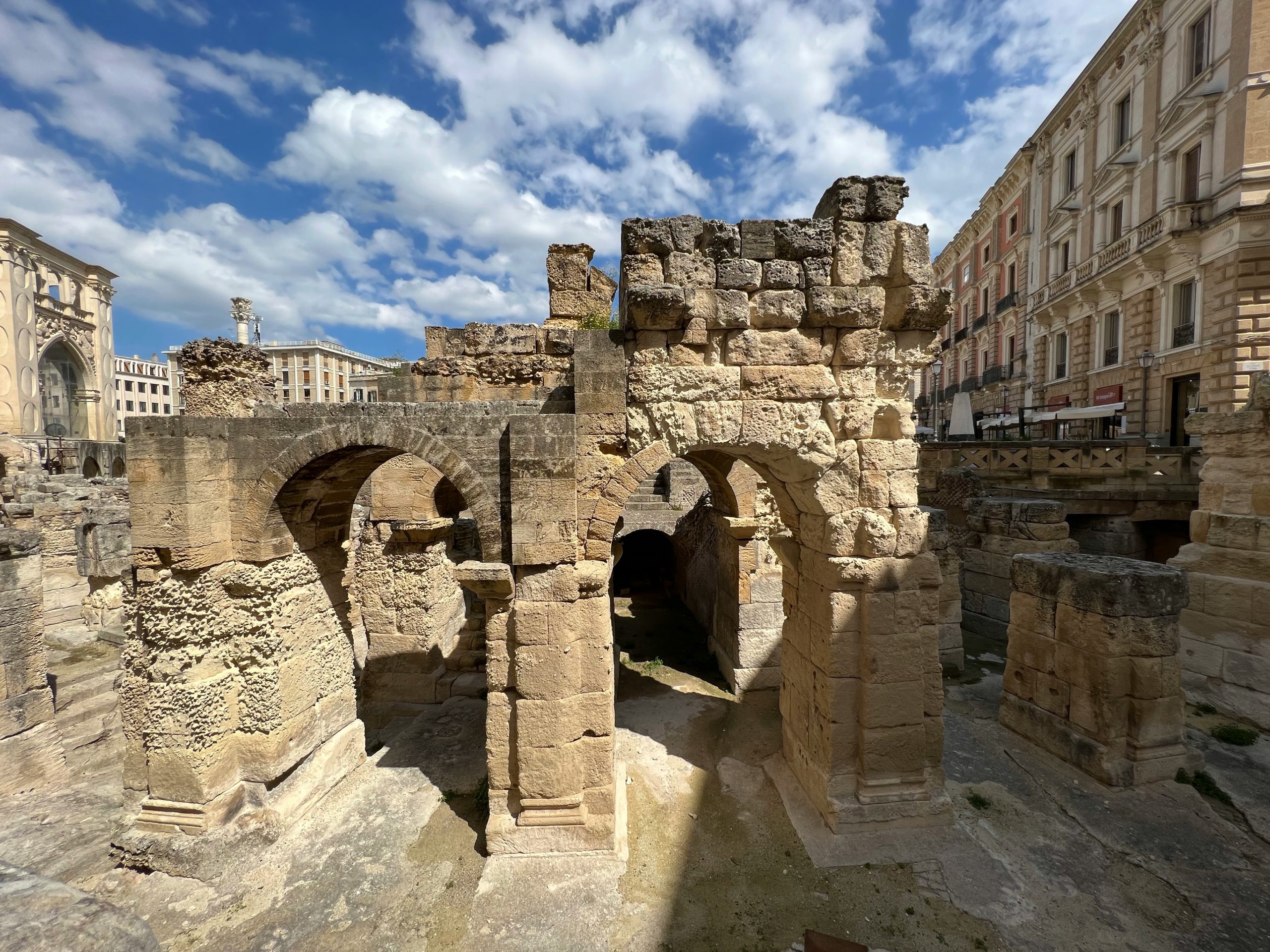
Europe is a continent steeped in history, art, and architectural marvels. With over 400 UNESCO World Heritage Sites, it offers an unparalleled tapestry of cultural and natural wonders that span millennia. From ancient ruins to Renaissance masterpieces, these sites are more than tourist destinations—they are living testaments to human achievement.
The Acropolis of Athens: Cradle of Western Civilization
Perched atop a rocky hill in Athens, the Acropolis is one of the most iconic symbols of ancient Greece. Its centerpiece, the Parthenon, honors the goddess Athena and exemplifies classical architecture and democratic ideals. The Acropolis reflects the philosophical and artistic foundations that shaped Western thought, making it a cornerstone of European heritage.
Stonehenge: A Prehistoric Enigma
Located in Wiltshire, England, Stonehenge is a mysterious circle of massive stones dating back to the Neolithic and Bronze Ages. Its precise astronomical alignment and monumental scale continue to intrigue archaeologists and visitors alike. Designated a UNESCO site in 1986, Stonehenge represents prehistoric engineering and ceremonial practices that remain unmatched.
Florence’s Historic Center: Renaissance Reverie
The heart of Florence, Italy, is a living museum of Renaissance art and architecture. From Michelangelo’s David to Brunelleschi’s Dome, the city’s historic center showcases the rebirth of humanism, creativity, and scientific inquiry. Recognized by UNESCO for its cultural significance, Florence invites visitors to walk in the footsteps of Leonardo da Vinci, Botticelli, and Galileo.
A Continental Legacy
Europe’s UNESCO sites span a vast range of eras and styles:
- Roman ruins in Italy and Spain
- Medieval castles in Germany and France
- Baroque palaces in Austria and Poland
- Natural wonders like Plitvice Lakes in Croatia and the Dolomites in Italy
Each site contributes to a shared legacy that transcends borders and generations.
Why It Matters
UNESCO World Heritage designation ensures the preservation and protection of these irreplaceable landmarks. They serve as educational resources, cultural touchstones, and sources of inspiration for millions. Whether you’re a history buff, an art lover, or a curious traveler, Europe’s heritage sites offer a profound connection to the past and a vision for the future.
European Countries UNESCO World Heritage Sites
| Country | Number of UNESCO Sites |
|---|---|
| Albania | 4 |
| Andorra | 1 |
| Austria | 12 |
| Belarus | 4 |
| Belgium | 16 |
| Bosnia & Herzegovina | 5 |
| Bulgaria | 10 |
| Croatia | 10 |
| Czech Republic | 17 |
| Denmark | 12 |
| Estonia | 2 |
| Finland | 7 |
| France | 54 |
| Germany | 55 |
| Greece | 20 |
| Hungary | 8 |
| Iceland | 3 |
| Ireland | 2 |
| Italy | 61 |
| Latvia | 3 |
| Lithuania | 5 |
| Luxembourg | 1 |
| Malta | 3 |
| Moldova | 1 |
| Monaco | 0 |
| Montenegro | 4 |
| Netherlands | 13 |
| North Macedonia | 2 |
| Norway | 8 |
| Poland | 17 |
| Portugal | 17 |
| Romania | 11 |
| Russia | 33 |
| San Marino | 1 |
| Serbia | 5 |
| Slovakia | 8 |
| Slovenia | 5 |
| Spain | 50 |
| Sweden | 15 |
| Switzerland | 13 |
| Ukraine | 8 |
| United Kingdom | 35 |
| Vatican City | 2 |