
Photo : Kristie Cross / Unsplash
From the moment prehistoric humans etched animal figures onto cave walls, European art has echoed the beliefs and values of its time. These early images, such as those found in Lascaux and Altamira, weren’t just creative expressions, they served ritualistic and symbolic functions, revealing the spiritual fabric of early societies.
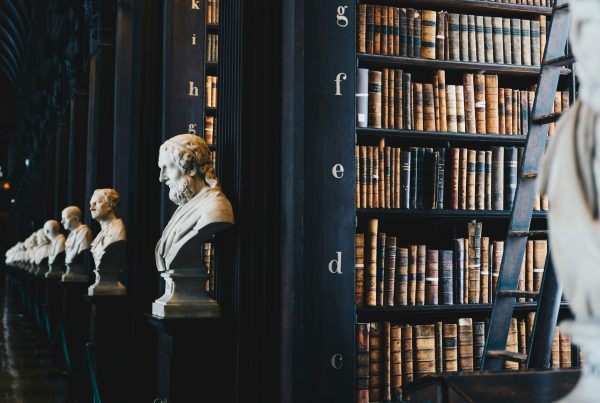
With classical antiquity, art became a medium for celebrating reason, order, and civic life. Greek statues and Roman mosaics emphasized human idealism, political identity, and religious mythology. This shift toward public, sophisticated art mirrored the growing complexity of ancient European societies.
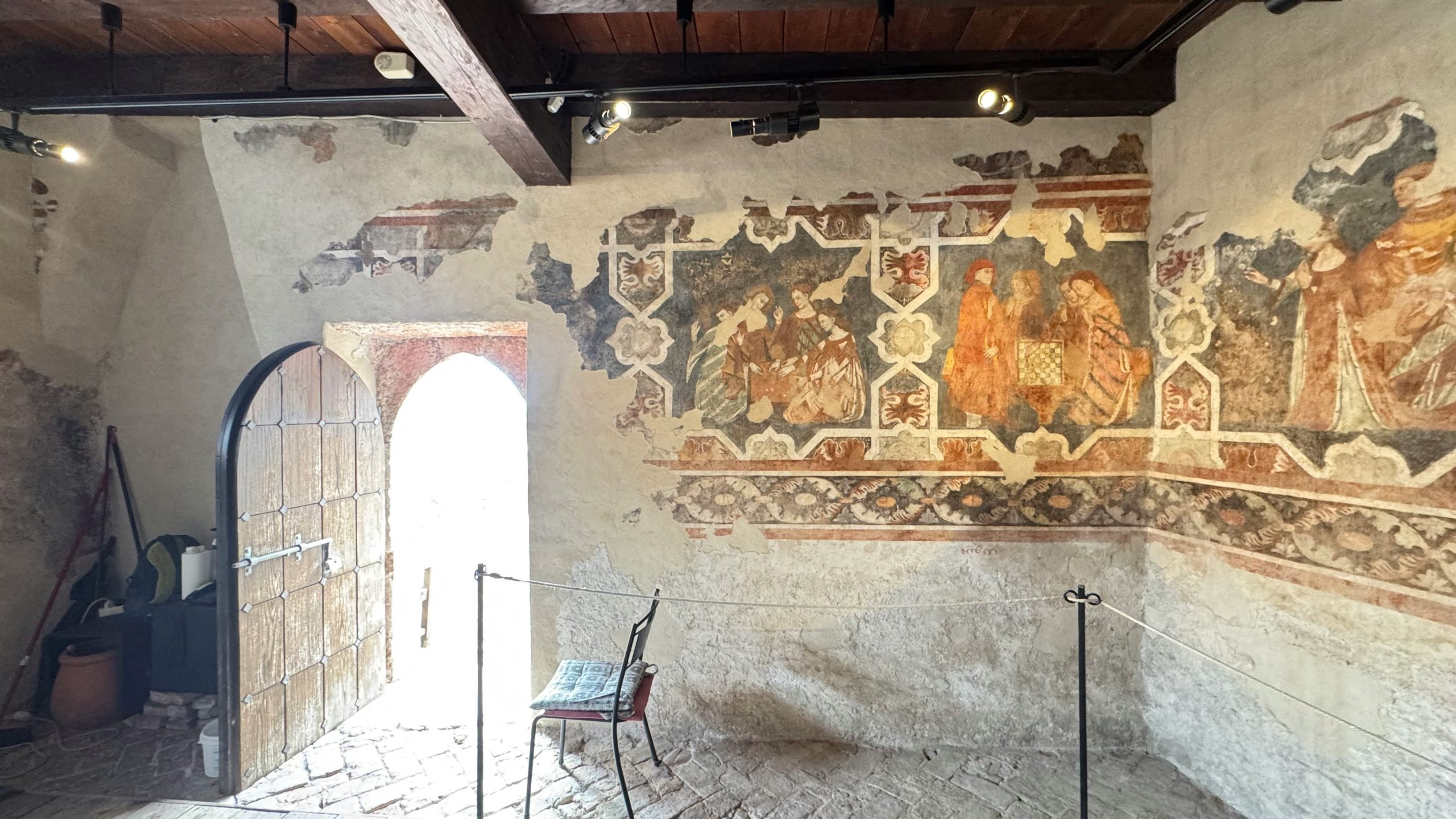
Medieval art, in contrast, revolved around religious symbolism and spiritual devotion. Cathedrals, illuminated manuscripts, and iconography reflected a theocentric worldview. Art was less about realism and more about moral guidance, reinforcing the authority of the Church and feudal hierarchy.
The Renaissance introduced a sweeping transformation. Artists began exploring human anatomy, emotion, and perspective, values rooted in humanism and intellectual inquiry. Figures like Michelangelo and da Vinci reinvented art as both a celebration of divine beauty and human achievement.
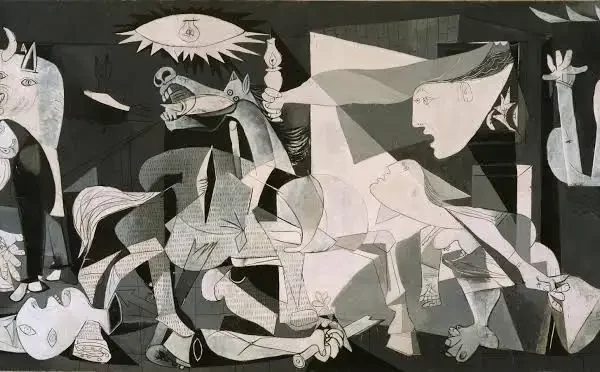
As Europe moved through revolutions, industrialization, and war, its art responded accordingly. Romanticism focused on nature and emotion; modernist movements like Cubism and Surrealism fractured tradition to explore inner psychology and social upheaval. These works often served as critiques of authority and reflections on identity and trauma.
Today, European art embraces installation, performance, and digital forms to question issues like migration, climate, gender, and memory. Artists provoke discussion and challenge norms, turning galleries into spaces of activism and social commentary.
Throughout history, European art has evolved not just in style, but in purpose—always responding to the dynamic values of its time. From the sacred to the secular, the personal to the political, it remains one of the continent’s most profound mirrors of change.