
Before Rome ruled the Adriatic and before Slavic migrations reshaped the Balkans, the Illyrians stood as one of the region’s most influential ancient peoples. Though often overshadowed by Greeks and Romans, the Illyrians carved out a vibrant civilization that left its mark on language, culture, and identity especially in modern-day Albania, Montenegro, Bosnia, and Croatia.
Who Were the Illyrians?
The Illyrians were a group of Indo-European-speaking tribes who inhabited the western Balkan Peninsula from at least the 10th century BCE onward2. Ancient Greek and Roman authors referred to their territory as Illyria, which stretched from the Adriatic Sea to the Danube River, and from modern Slovenia down to Albania and Montenegro.
Key Regions:
Southern Illyria: Core area in modern Albania and Montenegro
Dalmatian-Pannonian Zone: Inland tribes in Bosnia, Croatia, and Serbia
Dardani Overlap: A transitional zone between Illyrian and Thracian cultures
Culture and Society
Illyrian society was tribal and decentralized, with each tribe governed by its own chieftain or council of elders. Occasionally, strong leaders united multiple tribes into short-lived kingdoms.
Cultural Highlights:
Fortified Settlements: Hilltop cities like Daorson in Bosnia featured stone walls and Hellenistic architecture.
Art and Craftsmanship: Bronze weapons, jewelry, and pottery show influences from Central Europe and the Mediterranean.
Religion: Polytheistic and animistic, with sacred groves and rituals tied to nature and ancestors.
Kingdoms and Conflicts
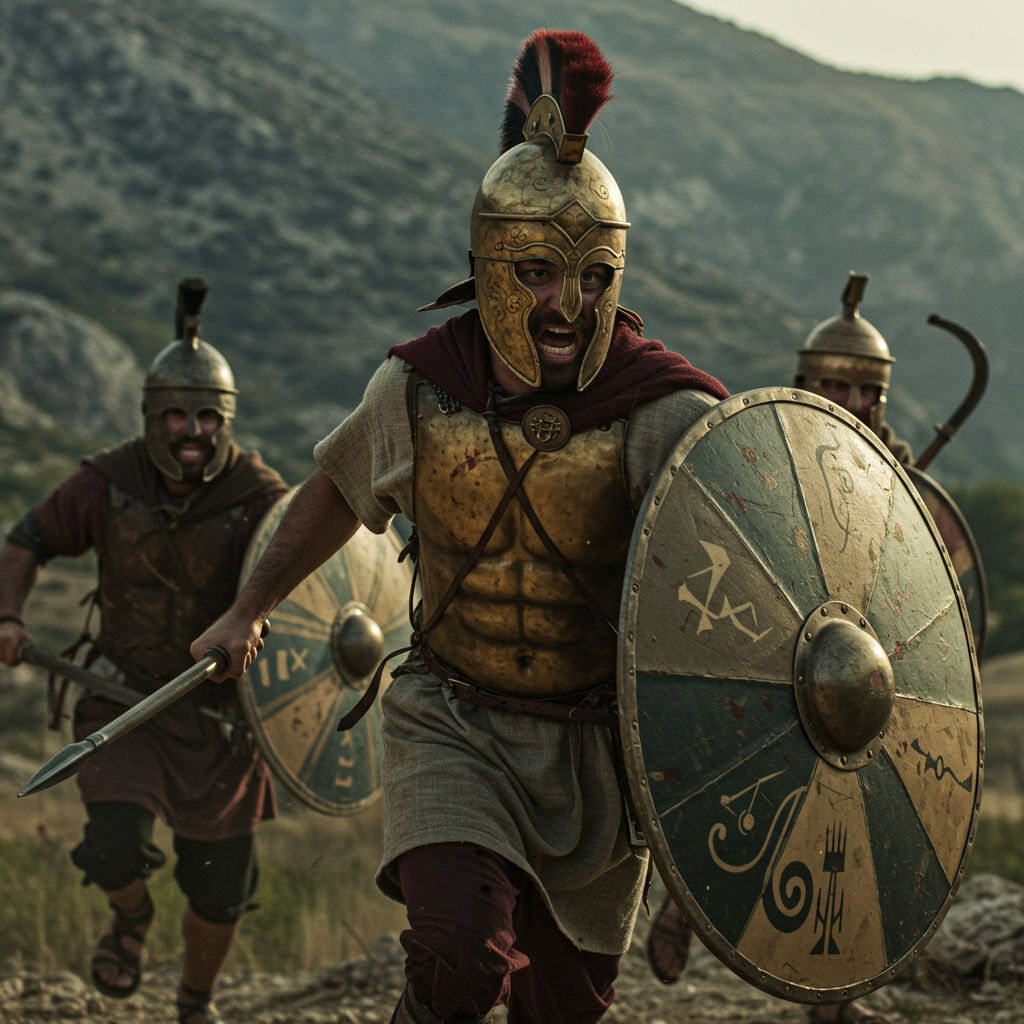
The Illyrians were known for their naval power and warrior culture. Their most famous rulers include:
King Agron: United several tribes and defeated the Aetolians in 231 BCE.
Queen Teuta: Regarded as a fierce leader who defied Rome, triggering the First Illyrian War.
King Gentius: The last Illyrian king, defeated by Rome in 168 BCE, marking the end of Illyrian independence3.
Origins and Language
Modern genetic and archaeological studies suggest the Illyrians emerged from a fusion of Yamnaya-related Indo-European migrants and Neolithic Balkan populations around 2500 BCE.
Language:
The Illyrian language is largely lost, with only a few names and words surviving.
Some scholars propose that Albanian may descend from Illyrian or a closely related Paleo-Balkan language a theory still debated but widely supported in Albanian-speaking regions.
Legacy and Influence
Though conquered by Rome, the Illyrians were never erased. Their legacy lives on in:
Place Names: Cities like Shkodër, Risan, and Byllis trace back to Illyrian roots.
Cultural Identity: Many Albanians view themselves as descendants of Illyrians, a connection celebrated in folklore and national pride.
Roman History: Several Roman emperors including Diocletian and Constantine the Great were of Illyrian origin.
Final Thoughts
The Illyrians were more than just a footnote in ancient history they were builders, warriors, and storytellers whose influence shaped the Balkans for centuries. As archaeology and genetics continue to uncover their secrets, the story of the Illyrians grows richer, reminding us that even forgotten kingdoms can echo through time.