
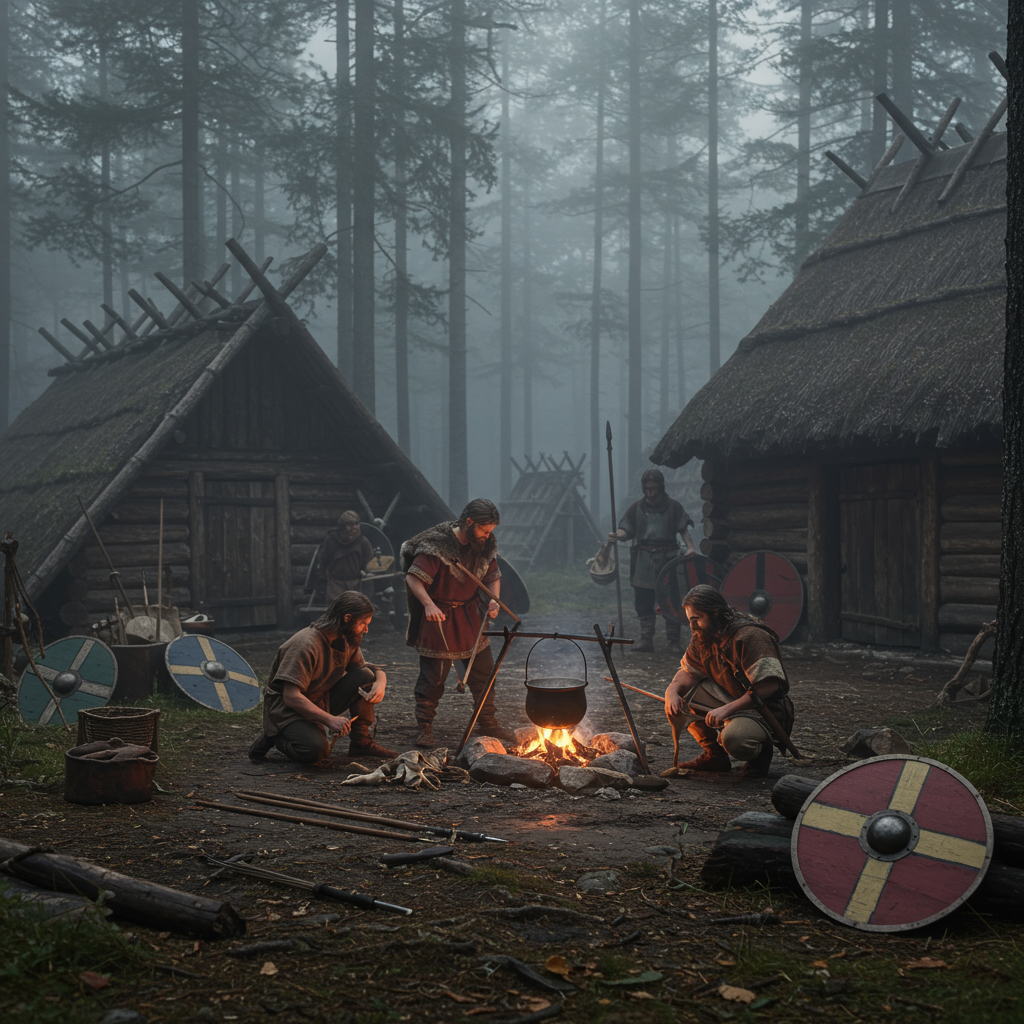
Before medieval kingdoms and modern nation-states, the forests and plains of Northern Europe echoed with the footsteps of the Germanic tribes warrior peoples whose migrations and conflicts helped shape the map of Europe as we know it. Fiercely independent, rooted in oral traditions, and bound by loyalty and honor, the Germanic tribes left a legacy that resonated through history.
Origins and Homeland
The Germanic tribes originated in the regions of Scandinavia and Northern Germany, slowly expanding southward over centuries.
Key Tribes:
Goths – Split into Visigoths and Ostrogoths; instrumental in the fall of Rome.
Vandals – Known for their destructive sack of Rome in 455 CE.
Franks – Established a lasting kingdom that evolved into modern France.
Saxons – Migrated into Britain, laying foundations for English culture.
Lombards – Migrated to Italy and ruled until Charlemagne’s conquest.
Society and Culture
Unlike the Romans, the Germanic tribes had no centralized government. Leadership was tribal, often hereditary, with chieftains acting as war leaders and judges.
Cultural Traits:
Loyalty to kin and clan: Bonds of blood and oath were sacred.
Oral Tradition: Stories, laws, and histories were passed down by word of mouth.
Warrior Ethos: Strength, courage, and glory in battle were highly valued.
Simple Architecture and Art: Functional weapons and jewelry, often decorated with runes and stylized motifs.
Mythology and Belief
Early Germanic beliefs evolved into what we now associate with Norse mythology. The gods were powerful but mortal, bound by fate
a worldview reflecting their respect for struggle and resilience.
Key Deities:
Wodan (Odin) – The Allfather, god of wisdom and war.
Donar (Thor) – Thunder god and protector of humanity.
Freya – Goddess of love, fertility, and war.
Nature was sacred, and rituals were often held in groves or near sacred springs. Runes were used not just for writing but for divination.
Roman Encounters
The Germanic tribes first appear in Roman records as both traders and raiders. Over time, tensions escalated:
Battle of the Teutoburg Forest (9 CE): Germanic warriors ambushed and destroyed three Roman legions.
Migration Period (4th–6th centuries CE): Tribes moved across Europe, contributing to the collapse of the Western Roman Empire.
Rather than merely conquerors, many tribes assimilated Roman customs and law, founding kingdoms that blended Roman and Germanic traditions.
Lasting Legacy
The impact of the Germanic tribes extends well beyond the ruins of Rome:
Languages: Germanic tongues evolved into English, German, Dutch, and others.
Legal Traditions: Tribal laws became the foundation for feudal and modern systems.
Mythology: Norse legends inspired literature from Beowulf to Tolkien’s Middle-earth.
Their fierce independence and cultural resilience laid the groundwork for medieval Europe and continue to inspire modern identity and storytelling.
From the foggy forests to the halls of legend, the Germanic tribes were more than barbarians they were nation-builders, myth-makers, and guardians of a world before kingdoms. Let me know if you’d like a matching image or an HTML table summarizing their key features!