
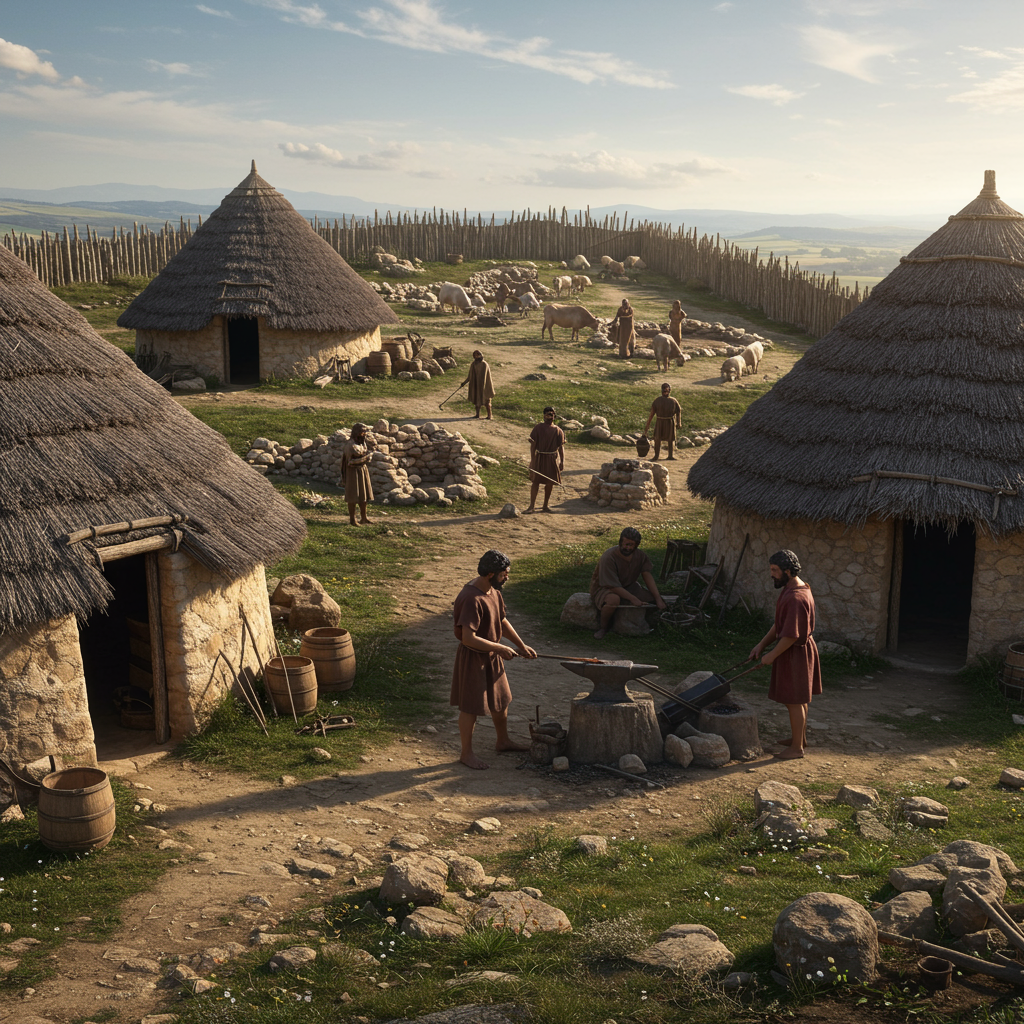
Long before the Roman Empire rose to dominate Europe, the hills and plains of central Italy were home to a vibrant and mysterious culture the Etruscans. Flourishing between the 8th and 3rd centuries BCE, the Etruscans laid essential foundations for Roman art, architecture, religion, and governance, yet much of their legacy remains shrouded in intrigue.
Who Were the Etruscans?
The Etruscans occupied a region known as Etruria, located in what is now Tuscany, Lazio, and Umbria. Scholars lean toward a native Italic development with Eastern influences.
Culture, Art, and Belief
The Etruscans were lovers of beauty, mystery, and ceremony. Their society embraced the arts, engineering, and a deep spiritual worldview.
Artistic Flourish
Frescoes: Tomb paintings show banquets, dancing, and chariot races—highlighting joy and celebration.
Sculpture & Pottery: Terra-cotta sarcophagi with life-size reclining figures, bronze mirrors, and elaborately decorated ceramics.
Religion & Divination
Believed in multiple gods borrowed and adapted from Greek mythology.
Practiced divination particularly reading omens in the liver of sacrificed animals (haruspicy).
Temples inspired Roman architecture with podiums, colonnades, and triangular pediments.
Power and Politics
Etruscan cities were ruled by kings or elected magistrates. Their influence expanded through trade and warfare:
Naval Trade: Dominated Mediterranean commerce, exporting iron, pottery, and wine.
Military Influence: Etruscan armor and battle tactics inspired early Roman warfare.
Language: Their non-Indo-European language remains only partially deciphered through inscriptions.
Decline and Roman Absorption
By the 4th century BCE, Etruscan power waned due to internal strife and external pressure from Greeks, Gauls, and especially Rome.
Conquest: Rome gradually annexed Etruscan cities.
Cultural Merge: While Etruscan political independence disappeared, their culture was absorbed into Roman identity, especially in religious rituals and engineering.
Legacy and Rediscovery
Though eclipsed by Rome, the Etruscans left an enduring legacy:
Engineering & Urban Planning: Drainage systems like Rome’s Cloaca Maxima trace back to Etruscan expertise.
Symbolism & Rituals: Roman triumphs, augury, and temple construction were shaped by Etruscan precedent.
Tomb Architecture: Necropolises such as those in Cerveteri and Tarquinia are now UNESCO World Heritage sites.
The Etruscans didn’t fade they were woven into Rome’s DNA. As archaeologists continue uncovering their secrets, we’re reminded that history isn’t just made by empires it’s preserved by the cultures they consumed.