
Photo / Michael Fousert
Museums are more than repositories of art, they are living archives of human experience. Among the most iconic are the Louvre Museum in Paris and the Prado Museum in Madrid, institutions that house masterpieces spanning centuries, cultures, and ideologies. These museums do not merely display art; they safeguard narratives that define who we are, where we’ve been, and what we value.
The Louvre: A Fortress Turned Cultural Beacon
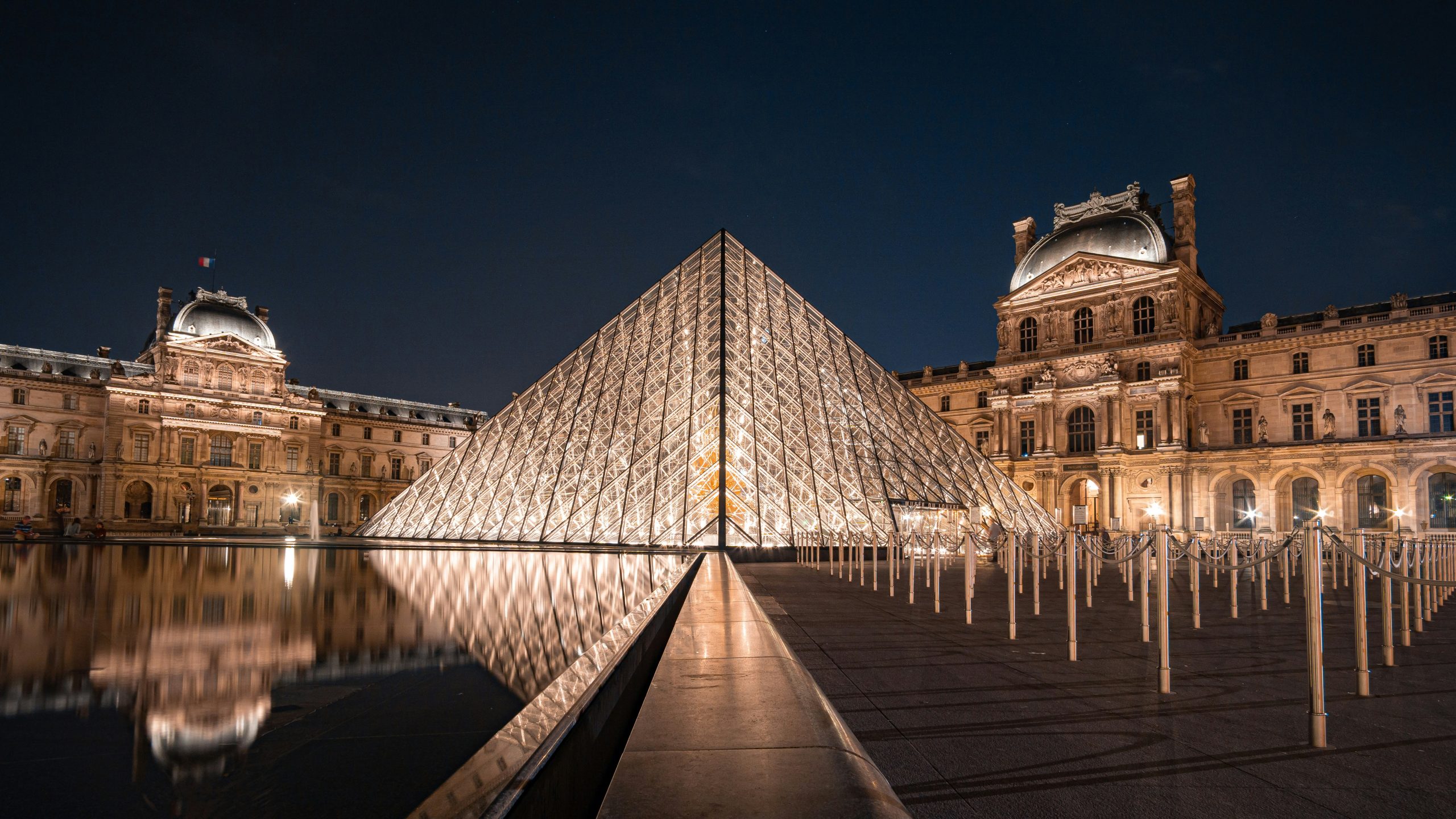
Originally built as a fortress in the 12th century, the Louvre evolved into a royal palace before becoming a public museum during the French Revolution. Today, it holds over 35,000 works of art, including the Mona Lisa, the Venus de Milo, and the Winged Victory of Samothrace.
Each piece tells a story:
- Leonardo da Vinci’s Mona Lisa captures Renaissance ideals and the mystery of human emotion.
- Liberty Leading the People by Delacroix immortalizes the spirit of revolution and the fight for justice.
- Ancient Egyptian artifacts and Greco-Roman sculptures reflect humanity’s earliest attempts to understand life, death, and the divine.
The Prado: Spain’s Artistic Soul
Founded in 1819, the Museo del Prado is home to one of the world’s finest collections of European art, especially Spanish masters like Velázquez, Goya, and El Greco. The museum’s holdings span from the 12th to the early 20th century, offering a panoramic view of Europe’s artistic evolution.
Highlights include:
- Las Meninas by Velázquez, a complex meditation on perception, power, and reality.
- The Third of May 1808 by Goya, a visceral depiction of war and human suffering.
- Religious and mythological works that reflect Spain’s cultural and spiritual heritage.
Why These Museums Matter
Both the Louvre and the Prado serve as cultural guardians, preserving works that:
- Reflect political upheavals, philosophical shifts, and social transformations.
- Showcase the diversity of human expression, from realism to abstraction, sacred to profane.
- Inspire dialogue across generations, allowing visitors to connect with the past and envision the future.
A Legacy for All
In an age of rapid change, these museums remind us of the enduring power of art to document, challenge, and celebrate the human journey. Whether you’re standing before a Renaissance portrait or a Baroque altar piece, you’re engaging with a story that transcends time and borders.